CHAZAK LAUNCH
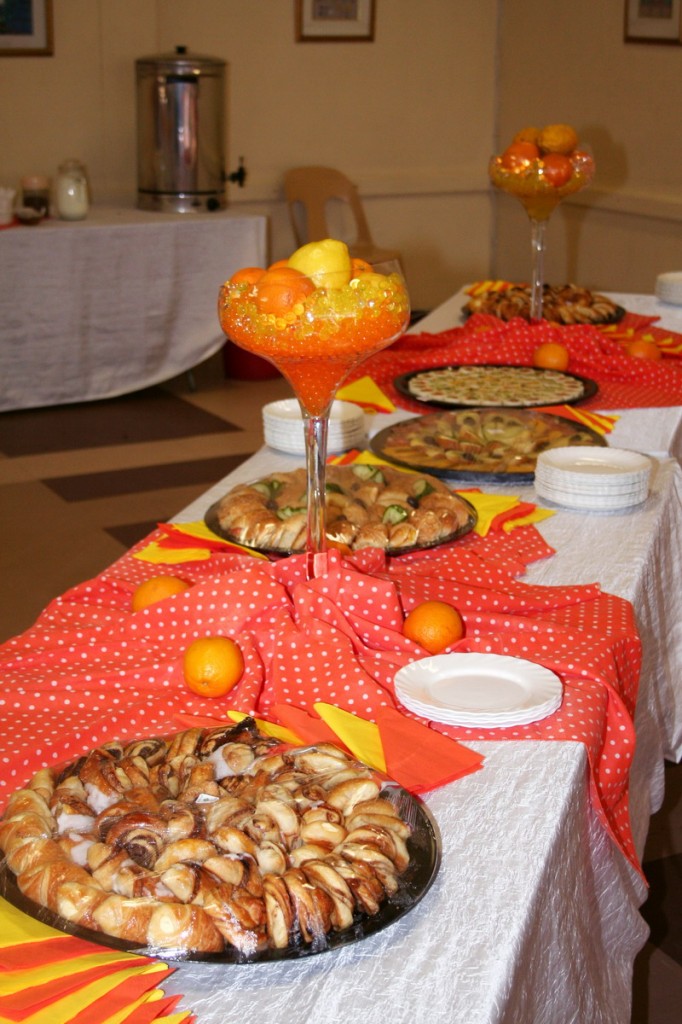
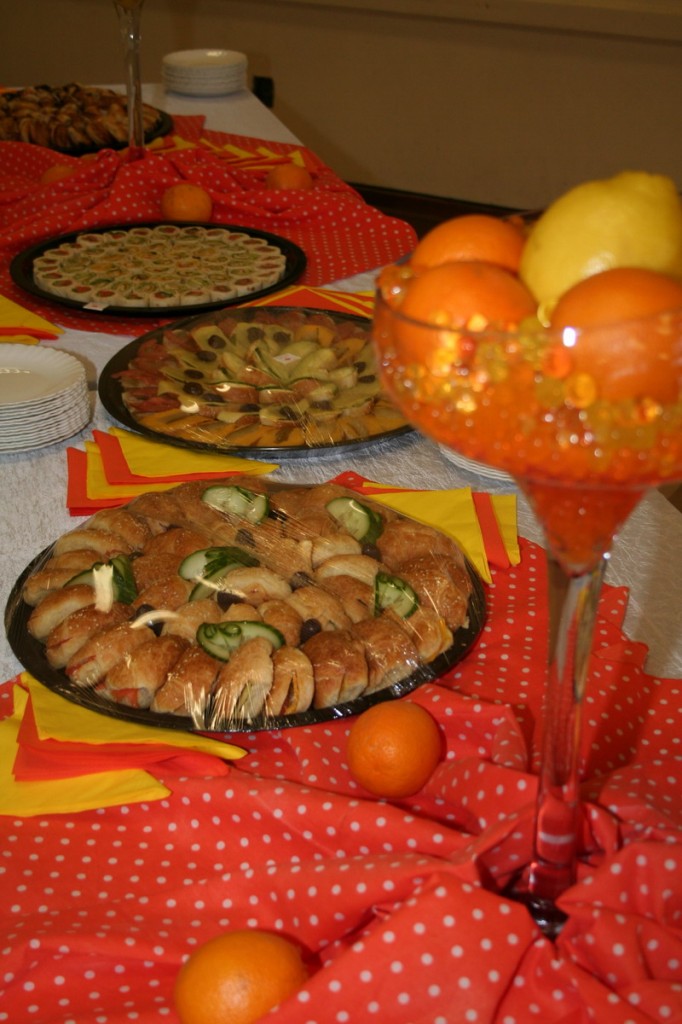
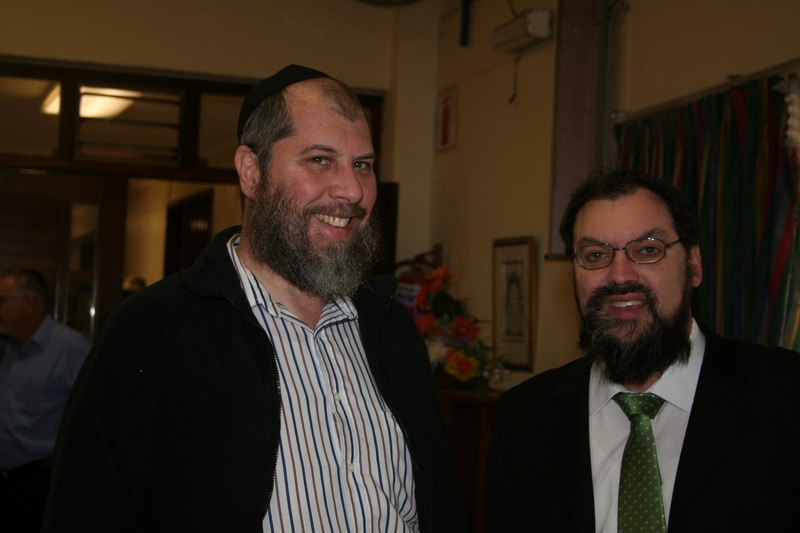
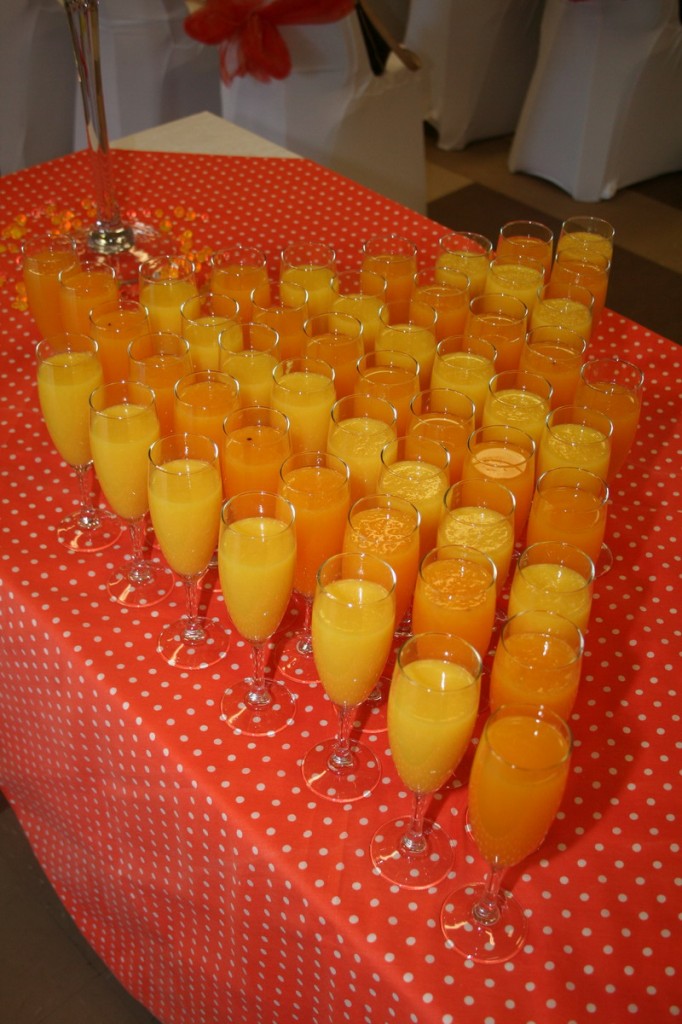
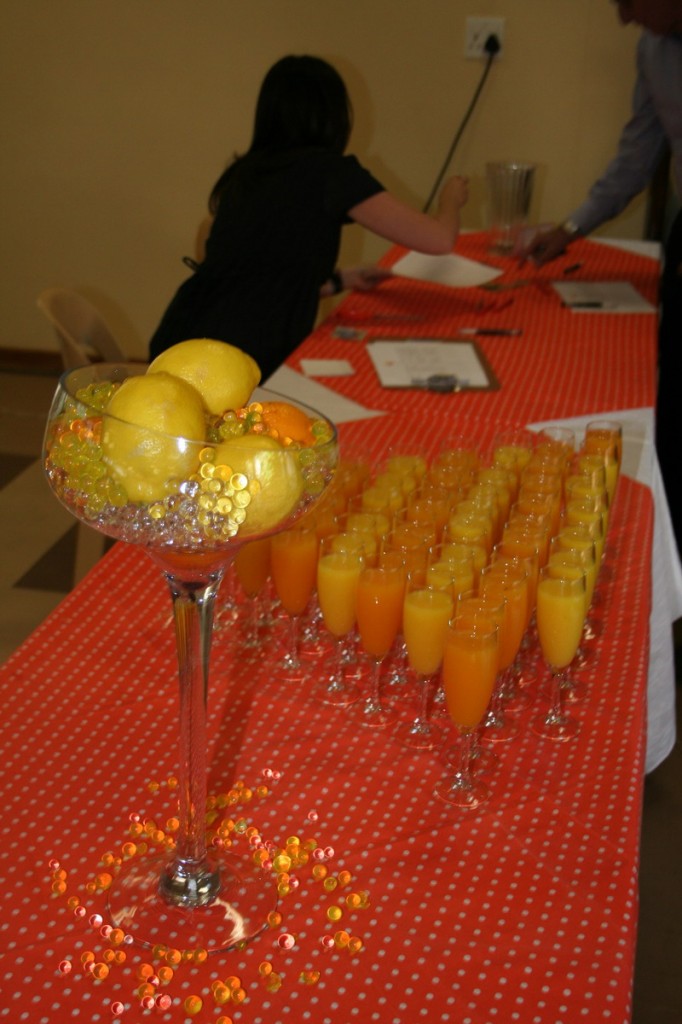
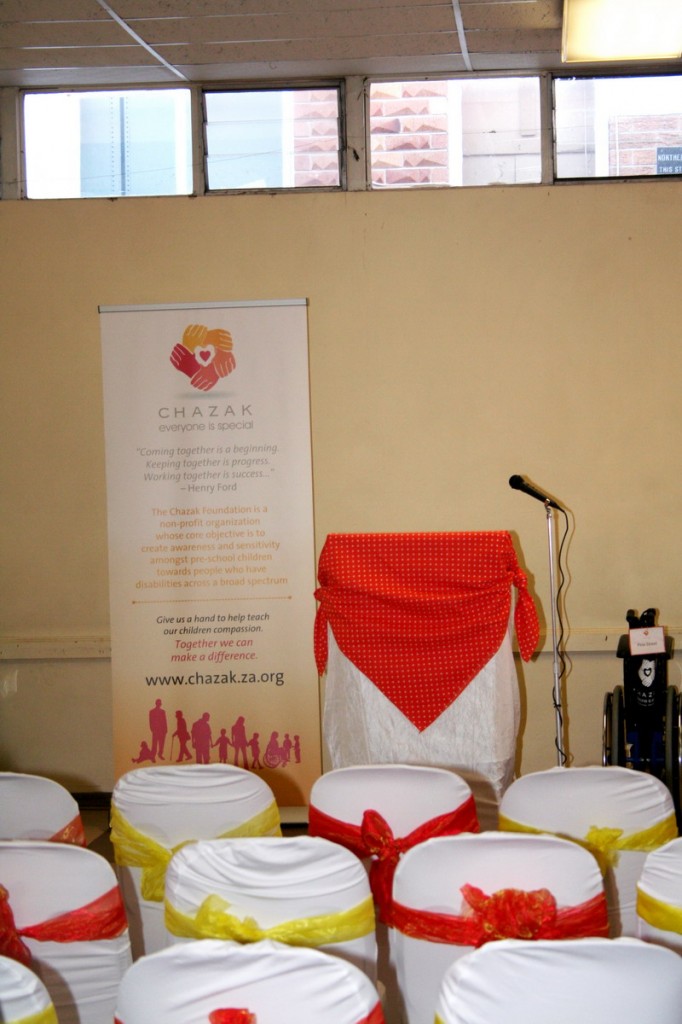
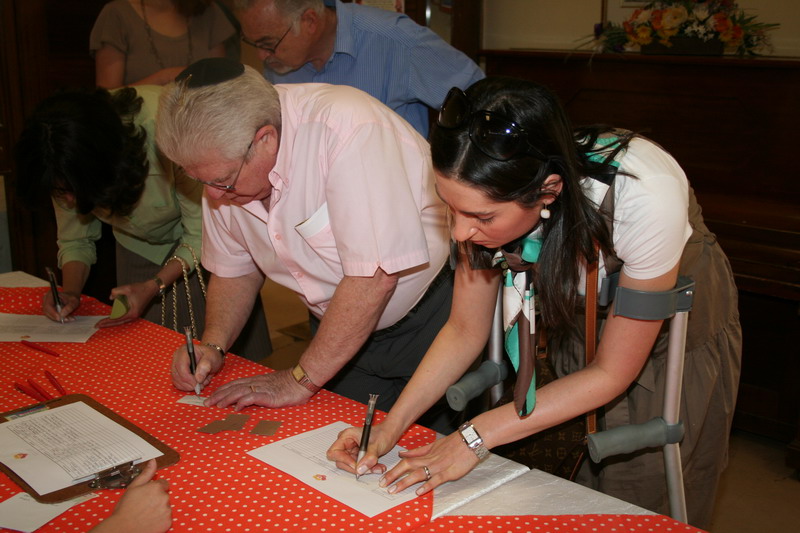
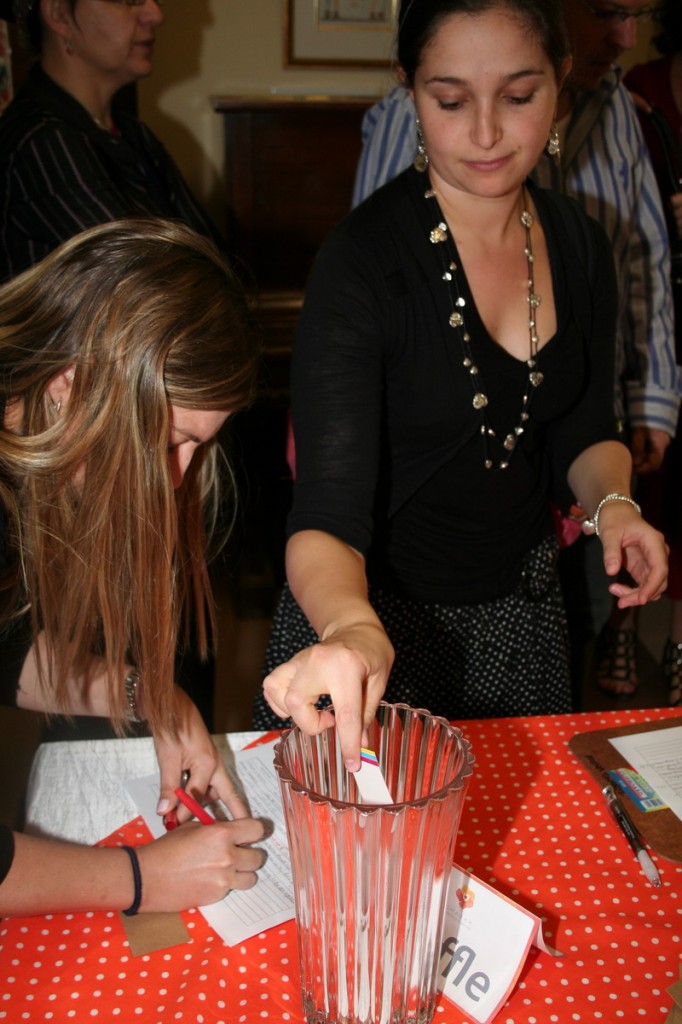
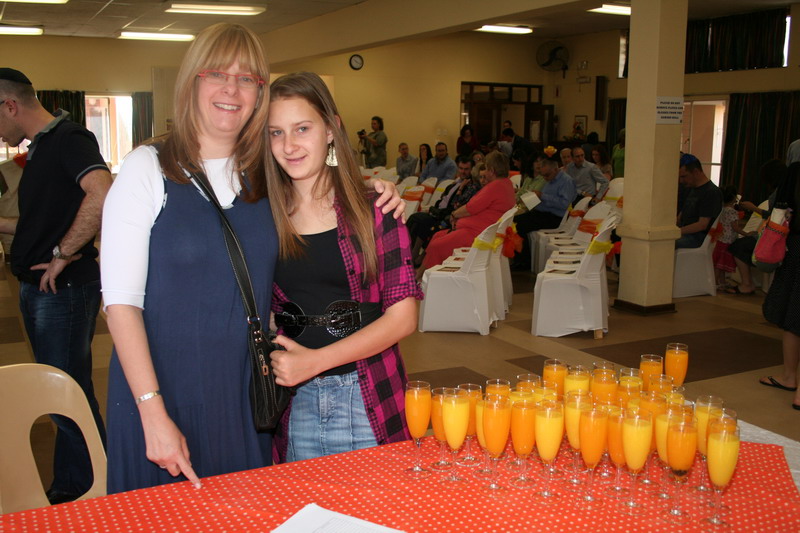
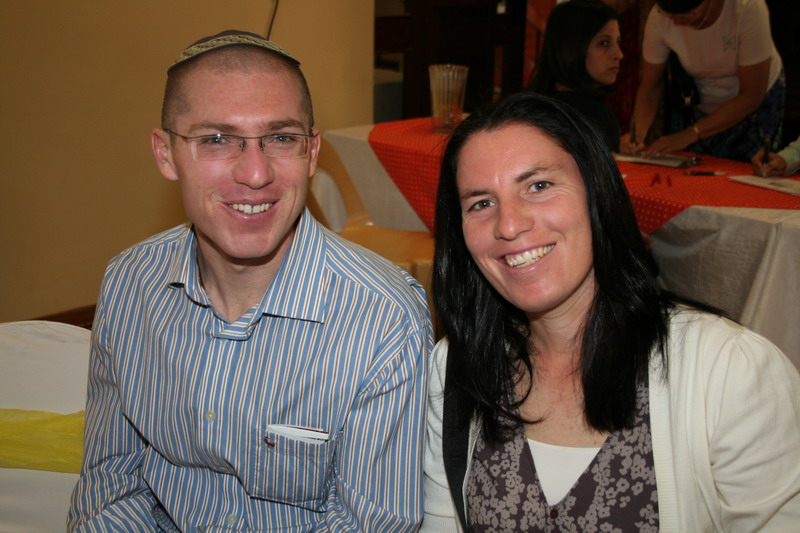
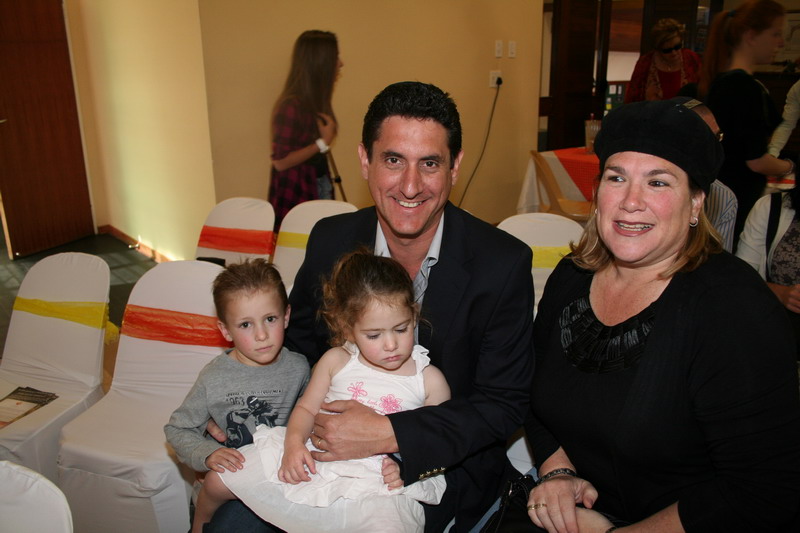
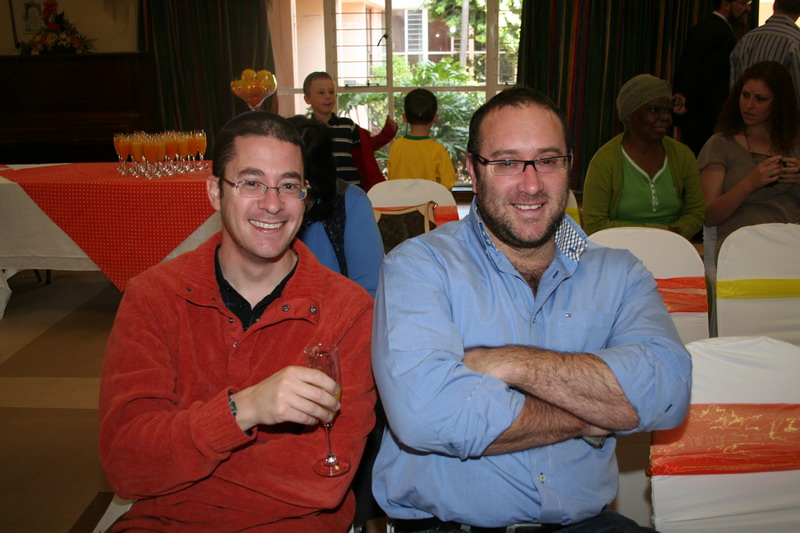
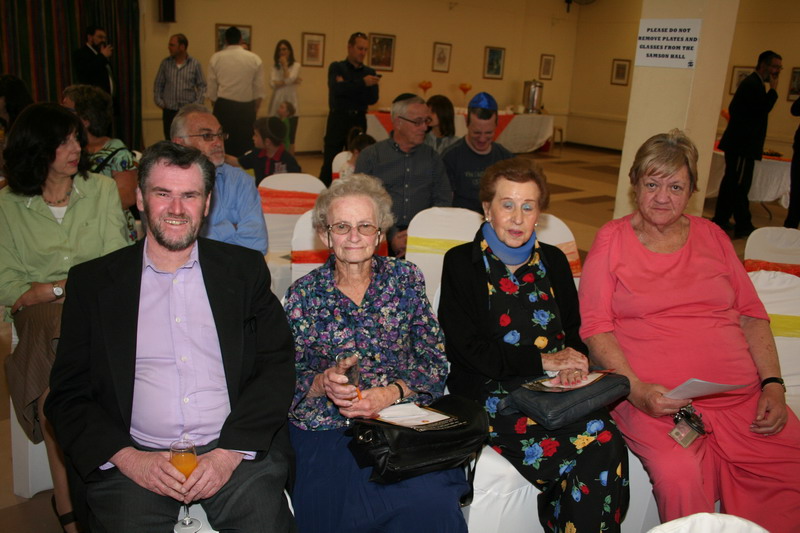
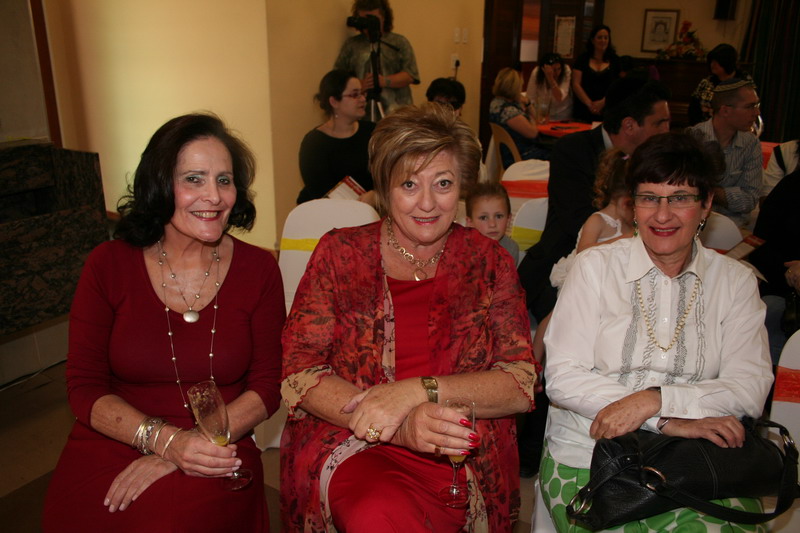
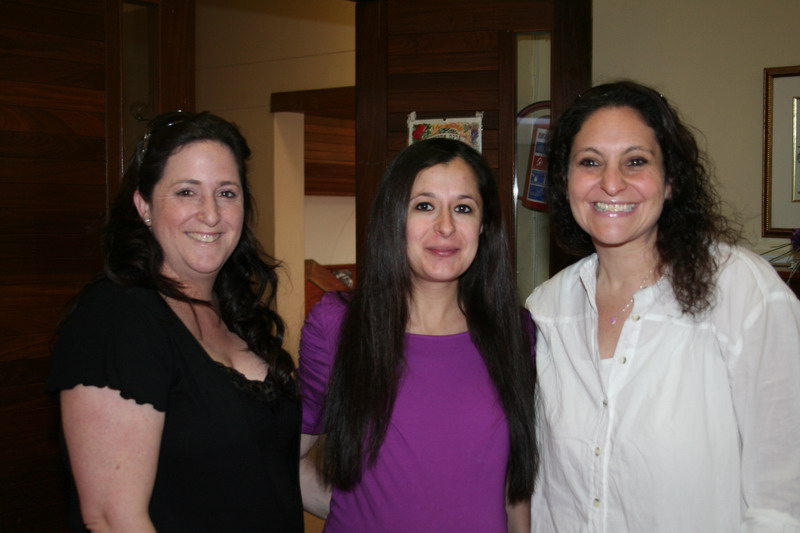


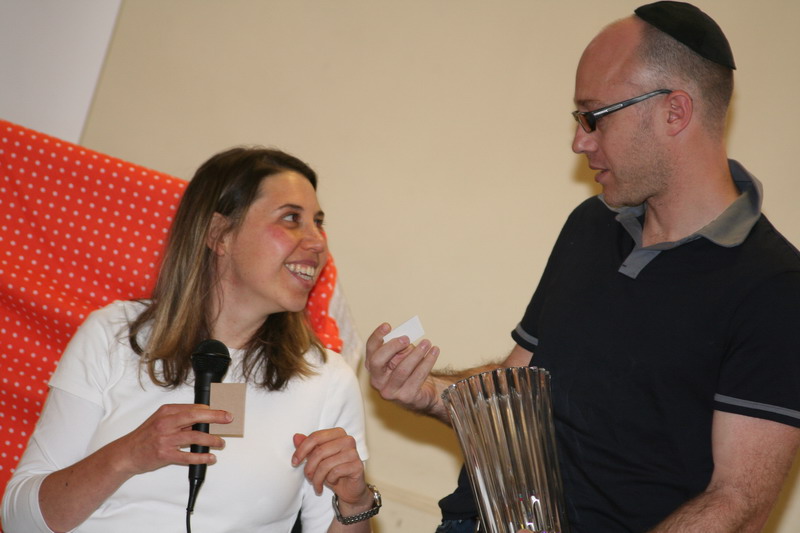
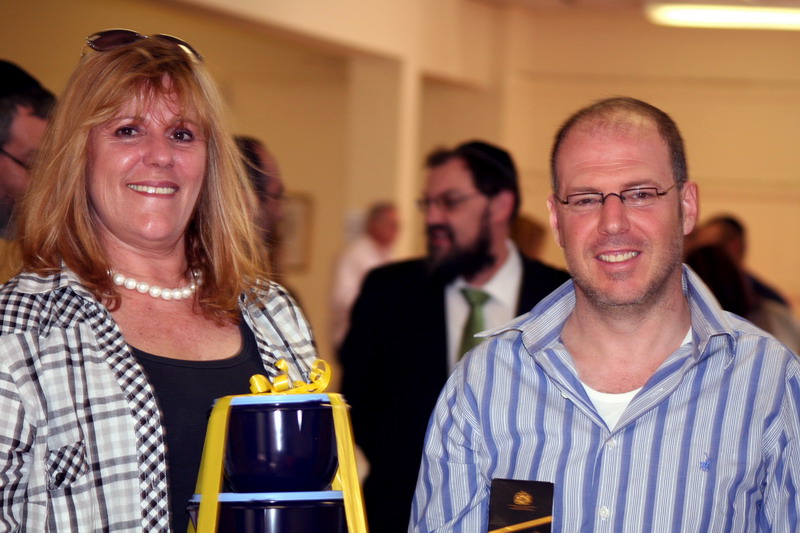
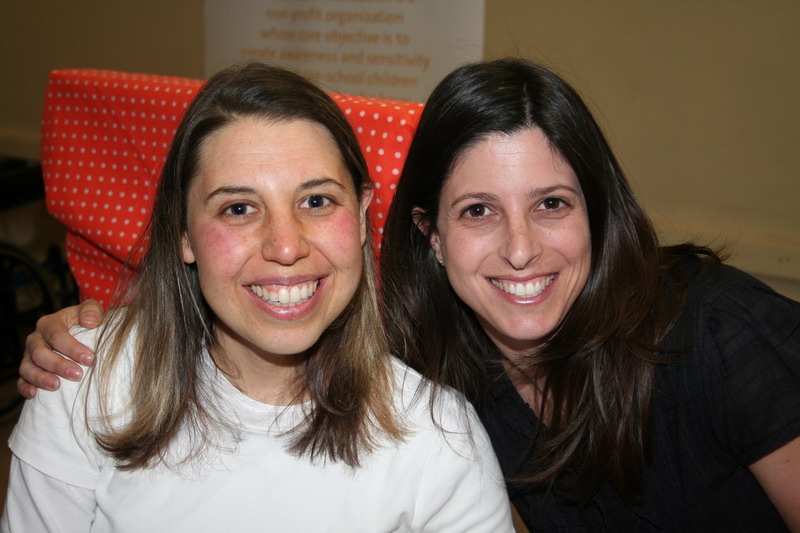
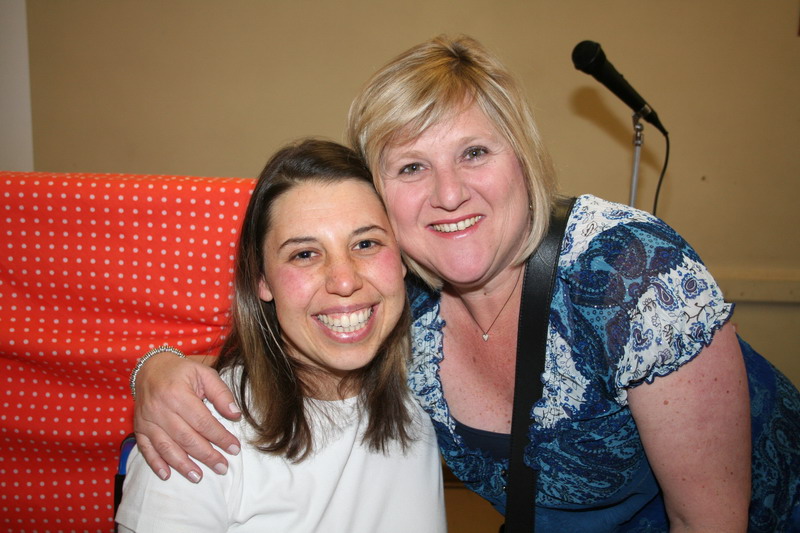
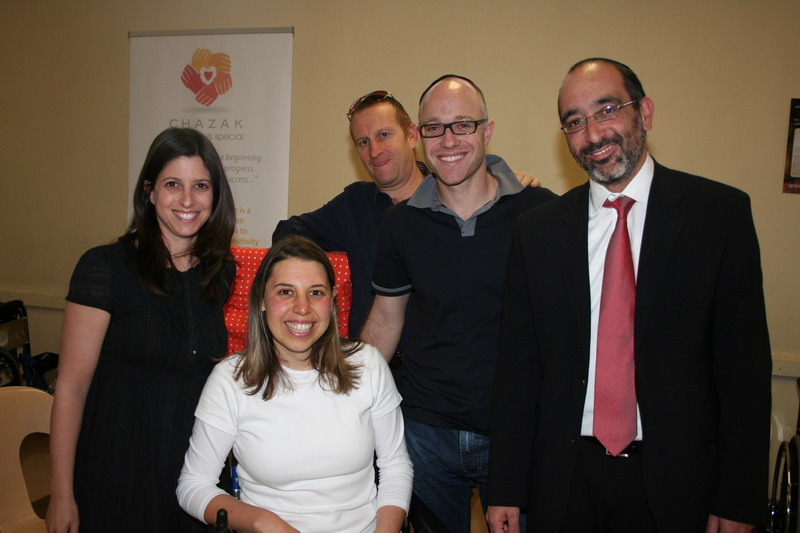

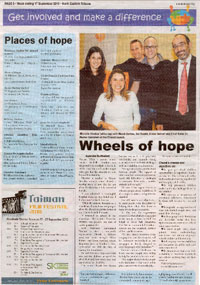
The week before Rosh Hashana was a particularly auspicious time to launch the Chazak Foundation, Chief Rabbi Dr Warren Goldstein said at the foundation's launch in Johannesburg last week.
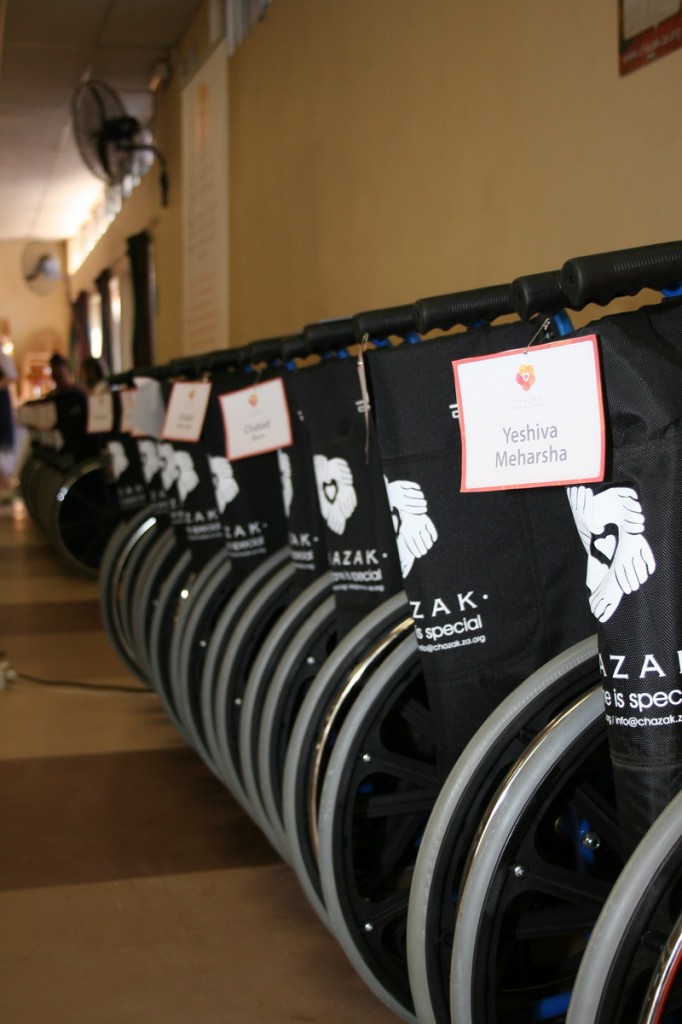
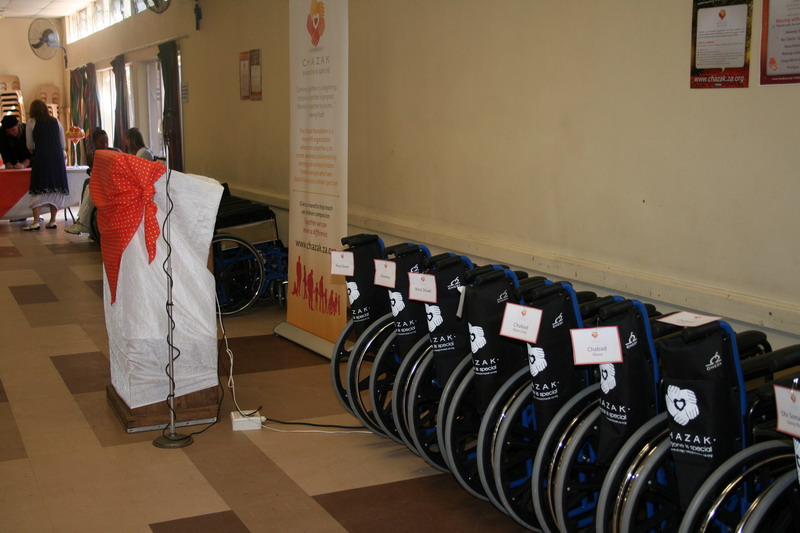
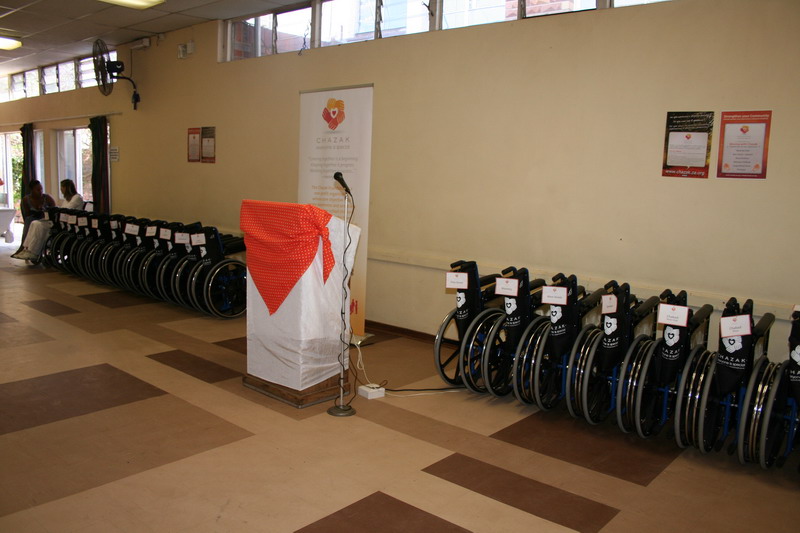
The foundation intends to create greater awareness of disability and to provide support for those living with a disability. At the launch Chazak presented wheelchairs to representatives of Johannesburg congregations.
----------------------------------------------------------------------------------------------------------------------------------------------------
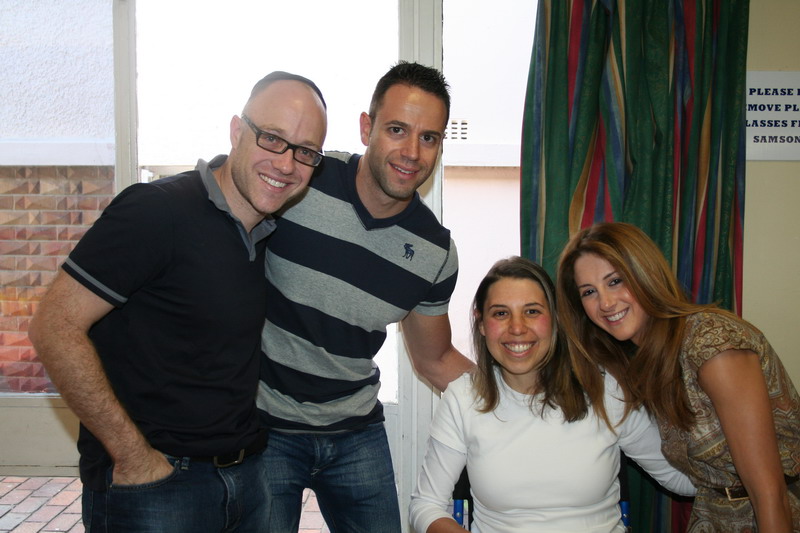
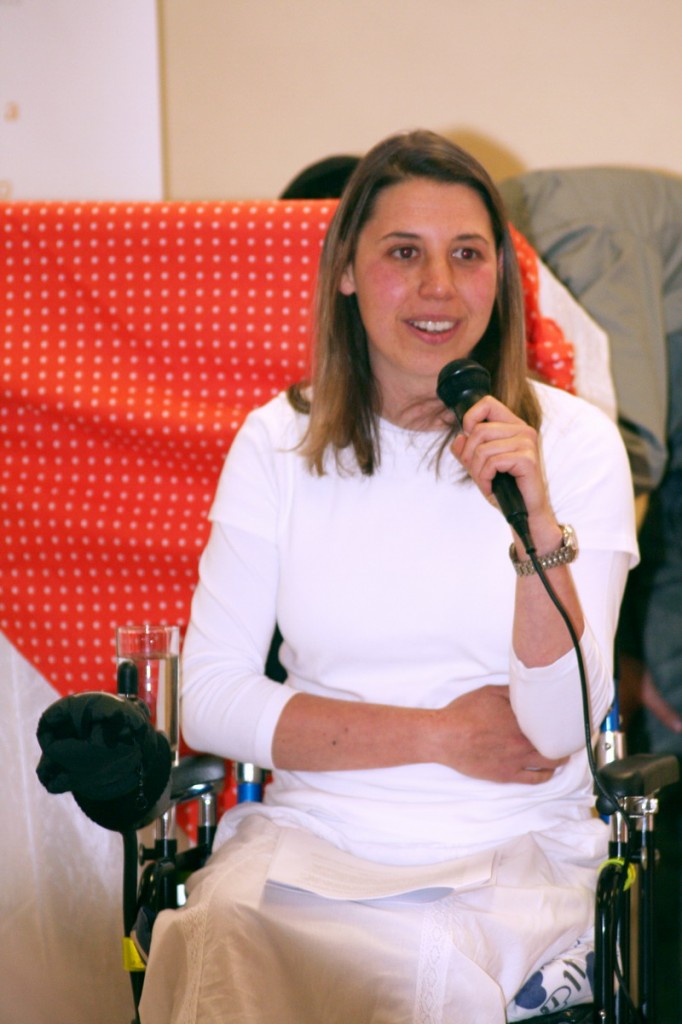
Michelle Vinokur, a nursery school teacher living with Multiple Sclerosis who uses a wheelchair, is one of the driving forces behind Chazak. Vinokur said that when she returned to work after the relapse that cost her the use of her legs, "the response of the children was fantastic, that of the parents questionable". The idea for the foundation came from Grant Kurland and Eldon Beinart, the fathers of children in Vinokur's class. They were impressed by their children's response to her and by how much everyone at the school had learned from her.
Vinokur said disabled people could lead full, normal lives if those around them were aware of their needs and helped make the necessary adaptations to the environment. She paid tribute to the Waverley Shul and to Mandi Defries, the principal of the Minnie Bersohn nursery school, for installing ramps that facilitated access for wheelchair users.
Chief Rabbi Goldstein said Chazak espoused three fundamental values in Judaism - chesed, or kindness; k'vod habriut, or human dignity; and inclusivity.
There is no specific mitzvah of chesed. We learn it from the injunction to walk in the way of Hashem. Chesed takes many forms, and one form was providing shuls with wheelchairs for congregants who needed them, he said.
K'vod Habriut, or human dignity, arises from the idea that we are all created in the image of Hashem. Therefore all people are royalty and should be treated with respect.
Providing a wheelchair for people who had difficulty walking enabled them to enter a shul with their dignity intact. The chief rabbi urged the leaders of congregations to do everything possible to make sure that their shuls were wheelchair friendly.
Inclusivity meant that everyone was welcome in shul. If shuls did not have wheelchair access it implied that only people who were able to walk in were welcome to pray and participate in congregational life. South African shuls were generally more inclusive than any others in the world, and providing these wheelchairs proved that.
The chief rabbi said that putting these fundamental principles of Yiddishkeit into practice could lead to us being judged worthy of a good and sweet year on Rosh Hashana.
Rabbi Aharon Rose, the rabbi of the Waverley shul, where Vinokur davens, said disability should not prevent a person fulfilling their role in life.
"Even if one has a disability, whether it is a physical, emotional, or financial disability, Hashem has given that soul the abilities it needs to complete its allotted tasks."